Introduction
Suspensory fixation has become a widely adopted method for graft fixation in anterior cruciate ligament (ACL) reconstruction, particularly on the femoral side. By securing the graft using a cortical fixation device outside the tunnel, it provides strong fixation, preservation of bone stock, and versatility across graft types.
This technique is especially popular in hamstring autograft reconstructions, where graft length and soft tissue characteristics favour suspensory constructs.
Principles of Suspensory Fixation
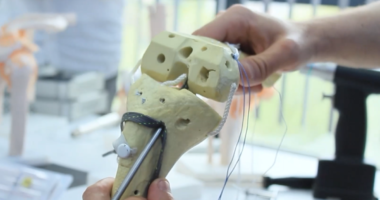
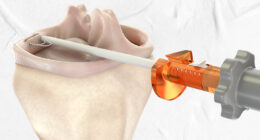
Suspensory fixation works on the concept of cortical anchorage, where the graft is suspended within the bone tunnel and secured by a device resting on the outer cortex of the bone.
Key Biomechanical Principles
- Load distribution at cortical bone (stronger than cancellous bone)
- Indirect fixation: graft is suspended rather than compressed within tunnel
- Loop-based systems allow adjustable tensioning
- Promotes biological graft incorporation within the tunnel
Types of Suspensory Fixation Devices
1. Fixed-Loop Devices
- Example: Endobutton
- Pre-measured loop length
- Advantages:
- High initial fixation strength
- Simplicity and reproducibility
- Limitation:
- Requires precise tunnel length measurement
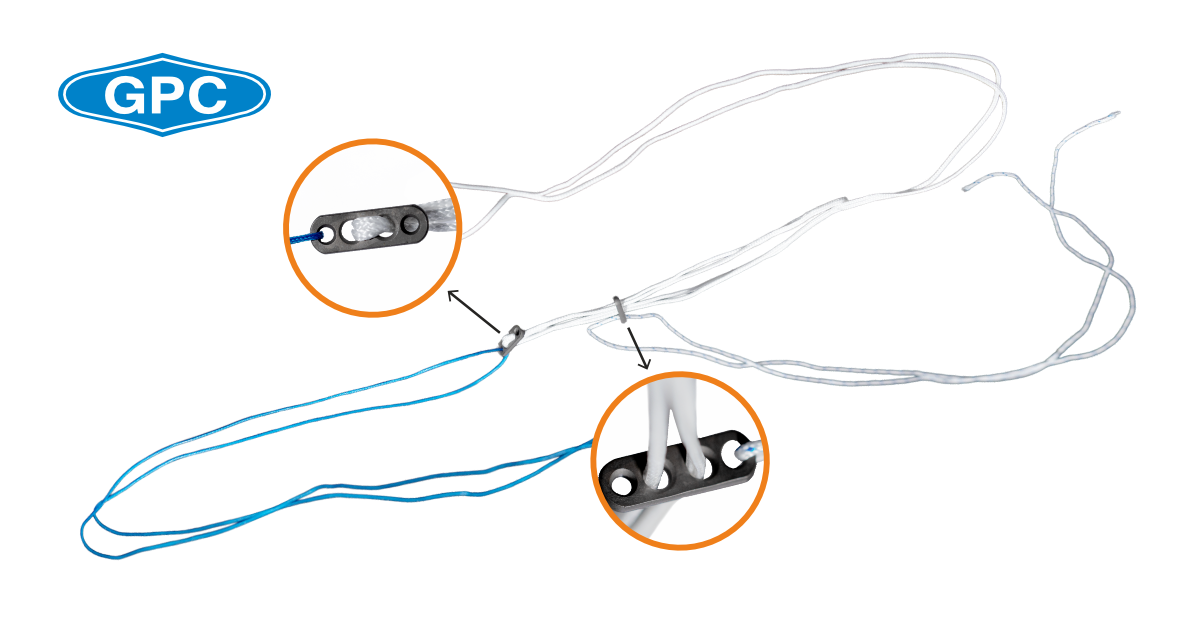
2. Adjustable-Loop Devices
- Example: Tightrope, ToggleLoc
- Allows intraoperative adjustment of graft length
- Advantages:
- Better graft seating within tunnel
- Eliminates need for exact tunnel length calculation
- Easier revision or fine-tuning
- Concerns:
- Potential loop elongation (though clinically minimal in most studies)
Biomechanical Considerations
- Suspensory fixation demonstrates:
- High ultimate load to failure
- Good cyclic loading properties
- However:
- Micromotion (“bungee effect” and “windshield wiper effect”) may occur
- May influence tunnel widening (clinical significance debated)
Advantages of Suspensory Fixation
- Strong cortical fixation
- Preserves bone (important in revision cases)
- Ideal for soft tissue grafts
- Allows anatomic femoral tunnel placement
- Adjustable systems enable precise graft tensioning
Limitations and Concerns
- Potential graft micromotion
- Risk of:
- Loop elongation
- Tunnel widening
- Technical errors:
- Improper button flipping
- Soft tissue interposition
Clinical Outcomes
- Numerous studies show:
- Comparable clinical outcomes to aperture fixation
- Excellent knee stability and functional scores
- No consistent evidence of:
- Increased failure rates
- Inferior return-to-sport outcomes
Current Evidence and Trends
- Increasing preference for:
- Adjustable-loop devices due to ease of use
- Hybrid fixation (suspensory + interference screw) is gaining popularity
- Focus on:
- Minimizing graft motion
- Improving biological incorporation
Conclusion
Suspensory fixation is a reliable, versatile, and biomechanically robust method for graft fixation in ACL reconstruction. With advancements in adjustable-loop technology and improved surgical techniques, it continues to be a mainstay in modern ligament reconstruction surgery, offering excellent clinical outcomes when performed with attention to technical detail.