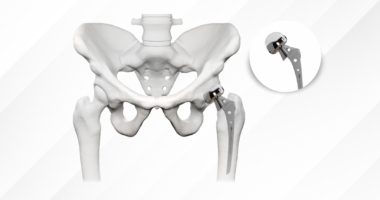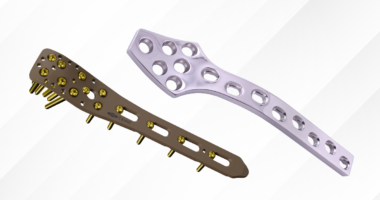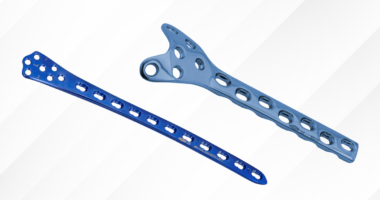


The healthcare industry is multifaceted, and orthopedic implants are an integral part of it. These implants have long played a pivotal role in restoring mobility and quality of life for patients recovering from various musculoskeletal ailments and injuries. Moreover, the industry has been witnessing a steady growth, which can be attributed to the increasing prevalence of musculoskeletal conditions and demand for minimally invasive surgical procedures. Considering the market dynamics and the increasing prevalence of musculoskeletal conditions, it is evident that selecting reliable orthopedic implants plays a crucial role in patient survival, recovery, and long-term joint function.
For distributors and importers, the consequences of poor quality can range from product recalls and legal liabilities to damage to reputation and loss of trust among surgeons. Rigorous quality standards—such as ISO 13485, CE certification, and US FDA 510(k) compliance—are benchmarks of safety and performance in implants.
Why quality matters:
- Reduces risk of implant failure.
- Ensures compatibility with surgical techniques and instruments.
- Enhances patient satisfaction and clinical outcomes.
Key considerations in quality evaluation:
- Material properties (e.g., biocompatible titanium, stainless steel).
- Manufacturing precision and machining tolerances.
- Sterilization, packaging, and traceability documentation.
- International certifications and regulatory clearances.
Evaluating Suppliers: What Distributors Should Look For
When distributors and importers are trying to find a supplier that they can trust, it is not about looking at the prices alone. They have to think about a lot of things when they are choosing a company to start a new partnership or continue the contract of existing business partnerships. This company has to be transparent about what they do. GPC Medical Ltd. exemplifies a reliable supplier profile by combining decades of experience with a broad product portfolio, strong quality controls, and a global distribution network.
Core Supplier Evaluation Criteria
Certifications and regulatory compliance: It is important to look at the quality and regulatory compliance, such as ISO, CE and FDA.
Product range and customization: Orthopedic implants are of varied specifications, so the suppliers and manufacturers must showcase a wide range of implants. Also, it is important to understand the scope of customization from the manufacturer.
Documentation and traceability: Look for regulatory dossiers, batch records and clinical data. It helps in enhancing product accountability.
Post market support: After sales support, training and marketing support help successful product adoption.
Benefits of partnering with reputable manufacturers:
- Enhanced trust from healthcare providers.
- Lower risk of product liability claims.
- Strengthened brand equity in competitive markets.
Competitiveness in the Orthopedic Implants Market
The global orthopedic implant industry is highly competitive, where both global market leaders and agile and quality driven regional players play important roles in the industry. Competitiveness is not just confined to brand recognition but also can be evaluated based on product performance, pricing strategy and long-term distributor support. For distributors, they look for manufacturers who can deliver consistent quality as well as commercially viable products.
GPC Medical Ltd. has successfully positioned itself in this challenging environment by focusing on scalable manufacturing, stringent quality systems, and cost efficiency. Instead of competing solely on premium pricing or volume, the company adopts a value-driven approach—offering internationally compliant orthopedic implants that meet surgeon expectations without inflating costs. This strategy has enabled GPC Medical Ltd. to remain competitive across diverse markets, particularly in regions where affordability and regulatory assurance are equally critical.
Key differentiators shaping competitiveness:
- Innovative design and modularity: Growing demand for implants compatible with minimally invasive techniques and modular surgical systems.
- Material and manufacturing advancements: Use of proven biocompatible metals and precision engineering to ensure strength, durability, and safety.
- Affordability without compromise: Delivering cost-effective implants that comply with CE, ISO, and US FDA standards, making them suitable for both developed and emerging healthcare markets.
GPC Medical Ltd.’s Strategy for Managing Price Pressure Without Sacrificing Quality
GPC Medical Ltd. addresses price competitiveness through operational efficiency rather than quality dilution. By maintaining in-house manufacturing capabilities, optimized supply chains, and large-scale production, the company minimizes overheads while ensuring consistent output. This allows distributors to access implants that meet international benchmarks at prices that support sustainable margins and broader market penetration.
At the same time, quality remains non-negotiable. The company invests in rigorous quality assurance protocols, material testing, and process validation to ensure each implant meets predefined performance criteria. This dual focus on price discipline and quality assurance has helped the company build long-term trust with distributors, hospitals, and surgeons across more than 100 countries.
Current Market Trends in Orthopedic Implants
The orthopedic implants market continues to expand, driven by demographic changes, technological advances, and innovations in surgical care. An increasing number of hospitals, the shift towards outpatient care, and advancements in robotic surgeries may create opportunities for market players in the next five years. Presently, China and India, both emerging economies, offer several opportunities for market growth.
Recent industry forecasts present optimistic growth trajectories:
- The global orthopedic implants market was valued at approximately USD 61.7 billion in 2025 and is projected to reach nearly USD 99 billion by 2035, suggesting a CAGR of about 4.8% from 2026 to 2035.
- Other reports indicate consistent growth in segments such as lower extremity implants and modular systems.
- In India, the orthopedic devices market is expected to grow at 5% CAGR through 2033, driven by increasing orthopedic conditions and healthcare infrastructure expansion.
Key market trends:
- Minimally invasive procedures: Surgeons prefer implants and tools optimized for reduced soft-tissue disruption.
- Customization and patient-specific implants: Tailored solutions support better anatomical fit and outcomes.
- Growth in Asia Pacific: Rapid healthcare investment and rising procedure uptake expand regional demand.
Conclusion: Making Informed Choices for Long-Term Success
Selecting reliable orthopedic implants demands a holistic approach—merging stringent quality evaluation, market insight, and strategic supplier partnerships. As a manufacturer with extensive international presence, regulatory compliance, and commitment to innovation, GPC Medical Ltd. exemplifies the kind of partner that distributors and importers should consider when building resilient, reputable orthopedic business portfolios.
By aligning with manufacturers that prioritize quality, competitiveness, and future-ready solutions, distributors can secure sustainable growth, serve patients better, and stay ahead in an increasingly dynamic global market.