
Daniel Thompson still remembers that crisp autumn morning when he tore his ACL during a pickup soccer match. It was a dream run turned into a nightmare. At one moment, he was sprinting downfield, feeling unstoppable, and the next, he was crumpled on the field. Surgery came next, followed by painstaking rehabilitation and months of discipline, frustration, and determination. But what truly changed everything for him was stability. That stability came from an orthopedic implant that held his bone and soft tissue firmly in place, allowing his body to heal the right way. It gave you a second chance to step back onto the field—and reminded you that modern orthopedic care doesn’t just fix injuries. It helps athletes like you reclaim their careers.
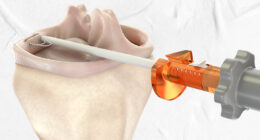
Over the past two decades, significant advancements in sports medicine surgery have been witnessed, characterized by the dominance of arthroscopic and minimally invasive surgical techniques. Many new implants have been developed, and old implants have been improved. The surgical operations frequently involve the use of implants such as suture anchors, interference screws, and endo-buttons. Traditional implants, comprised of metal or inert materials, are not absorbable, which causes difficulties that influence treatment outcomes. To mitigate the problem, absorbable materials with high mechanical qualities, biocompatibility, and regulated degradation rates have been designed and tested in clinical settings. These materials consist of absorbable polymers, bio ceramics, and metals.
Understanding Sports Injuries: Anatomy of the Problem
Sports injuries are pervasive across every level of competition—from weekend warriors to elite professionals. The stress of repetitive motion, high-impact collisions, and extreme demands on joints and bones can lead to:
- Ligament tears (ACL, PCL, MCL)
- Meniscal or cartilage damage
- Fractures and dislocations
- Tendon ruptures and chronic overuse injuries
These injuries not only cause pain and loss of function but also risk long-term disability without timely and proper intervention. Recovery isn’t just about healing; it’s about returning to peak performance safely and sustainably.
Orthopedic implants and surgical interventions often become necessary when conservative management (like rest and physiotherapy) isn’t enough. Surgical repair aims to restore structural integrity, prevent future degeneration, and help athletes regain confidence and capability.
The Key Issue: How Implants Help Athletes Return
At the heart of many sports injury treatments is the challenge of stability and mobility. Once critical structures, such as ligaments or bones, are damaged, the body’s natural healing process may be slow, incomplete, or insufficient to meet athletic demands. That’s where orthopedic implants step in:
Structural Restoration
Orthopedic implants help by:
- Stabilizing fractured bones (plates, screws, intramedullary nails)
- Reconstructing torn ligaments (like ACL reconstruction)
- Replacing worn or damaged joints (hip and knee replacements)
These interventions do more than fix a problem – they recreate function. Implants hold tissues in precise alignment, enabling the body to heal while maintaining anatomical integrity.
Enhanced Recovery Outcomes
With modern surgical techniques and implants designed for biomechanical compatibility, athletes today:
- Regain strength and range of motion faster
- Experience lower rates of reinjury
- Return to sport with confidence and stability
For many injuries that once meant career-ending outcomes, today’s orthopedic care makes a comeback possible. Research in sports medicine emphasizes careful rehabilitation alongside surgical intervention to ensure safe, efficient recovery.
Trusted Implants for High-Demand Sports Injuries: GPC Medical Ltd.
One of the global players in orthopedic implant manufacturing is GPC Medical Ltd., a New Delhi–based company recognized for high-quality implant solutions and an uncompromising commitment to quality and innovation.
Manufacturing Excellence
GPC Medical’s orthopedic division produces a wide range of implants and surgical instruments designed to support trauma care and musculoskeletal reconstruction. A few hallmarks include:
- FDA 510(k) approved implants — one of the widest ranges from an Indian manufacturer.
- ISO 9001, ISO 13485, CE, MDSAP, and WHO-GMP compliance — ensuring products meet international quality and safety benchmarks.
- Collaborative R&D and precision engineering, involving 3D CAD/CAM design and stringent validation tests before production.
- Export footprint in over 110 countries, reflecting global trust and adoption.
GPC Medical Ltd. emphasizes quality as a business value, implementing comprehensive quality management and testing procedures at each stage of design and manufacturing.
Conclusion: Back in the Game, Stronger Than Ever
Sports injuries test the limits of an athlete’s resilience, but they also highlight the remarkable capabilities of modern orthopedic care. From stabilizing fractures and reconstructing ligaments to restoring joint function and enabling peak performance, implants have become a vital tool in sports medicine – one backed by rigorous research, advancing technology, and quality manufacturing like that of GPC Medical Ltd.
With continued innovation in materials, surgical techniques, and post-operative care, the future promises even faster, safer, and more personalized pathways for athletes to return stronger and more competitive than ever before.