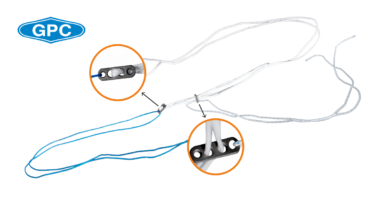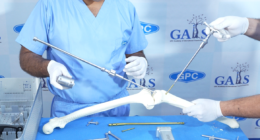
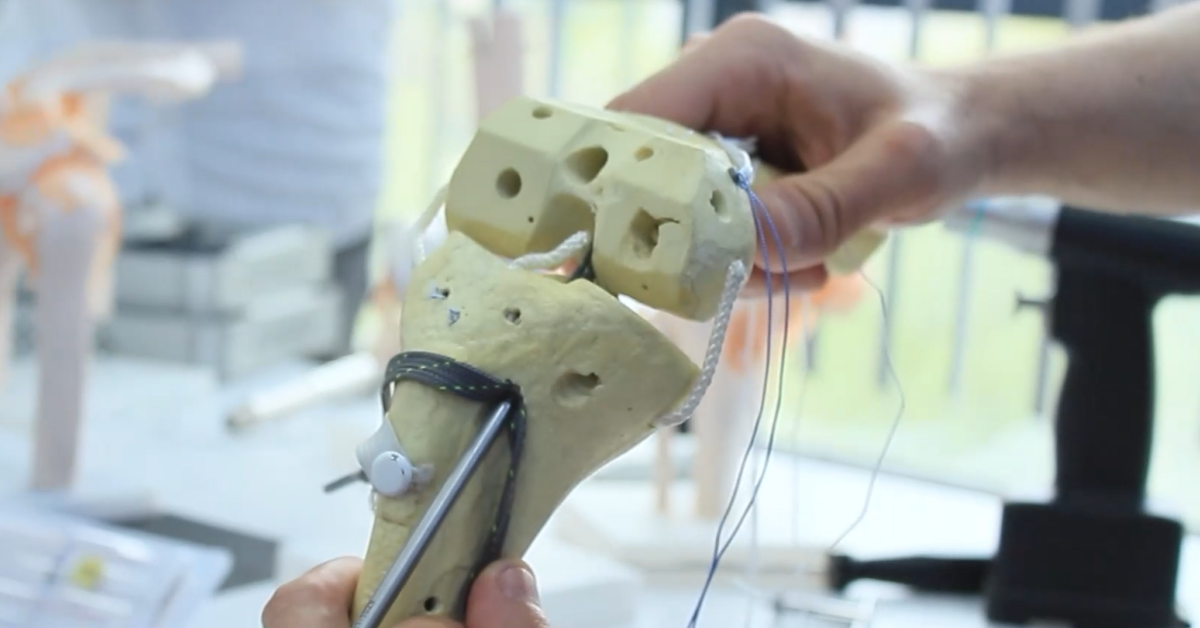
Aperture fixation is a cornerstone technique in anterior cruciate ligament (ACL) reconstruction, characterized by fixation of the graft at or near the joint line (aperture) within the bone tunnel. Most commonly achieved using interference screws, this method provides direct graft compression against the tunnel wall, enhancing initial stability and promoting biological incorporation.
It is widely used for both bone–patellar tendon–bone (BPTB) and soft tissue grafts, particularly on the tibial side.
Principles of Aperture Fixation
Aperture fixation relies on direct mechanical compression of the graft within the bone tunnel, close to the joint line.
Key Biomechanical Principles
- Direct fixation at aperture minimizes graft motion
- Compression of graft against cancellous bone
- Reduces:
- Bungee effect (longitudinal motion)
- Windshield wiper effect (transverse motion)
- Promotes early graft incorporation and stability
Types of Aperture Fixation Devices
1. Interference Screws (Most Common)
- Materials:
- Metallic
- Bioabsorbable
- PEEK (polyether ether ketone)
Advantages:
- Strong initial fixation
- Promotes graft-to-bone healing
- Widely available and familiar
2. Bioabsorbable Screws
- Gradually degrade over time
- Avoid need for implant removal
Limitations:
- Risk of inflammatory reaction
- Variable degradation profiles
3. Cross-Pin Fixation (Less Common)
- Provides transverse fixation across graft
- Mainly used on femoral side
Biomechanical Considerations
- Provides:
- High initial stiffness
- Reduced graft micromotion
- Particularly effective in:
- Bone-to-bone healing (BPTB grafts)
- May be less effective in:
- Pure soft tissue graft fixation compared to cortical devices
Advantages of Aperture Fixation
- Fixation close to joint → better control of graft motion
- Promotes direct graft incorporation
- Reduces tunnel widening
- Ideal for BPTB grafts
- Familiar and reproducible technique
Limitations and Complications
- Risk of:
- Graft laceration during screw insertion
- Screw divergence
- Tunnel blowout
- Bioabsorbable screws:
- Inflammatory reactions
- Cyst formation (rare)
- Less forgiving in short tunnels or poor bone quality
Clinical Outcomes
- Excellent long-term results with:
- High rates of knee stability
- Good functional outcomes
- Particularly strong evidence for:
- BPTB grafts with interference screw fixation
- Comparable outcomes to suspensory fixation in most studies
Current Concepts and Trends
- Increasing use of:
- Hybrid fixation (aperture + suspensory)
- Preference for:
- Bioinert materials (e.g., PEEK)
- Focus on:
- Anatomic reconstruction
- Minimizing complications
Conclusion
Aperture fixation remains a fundamental and highly effective technique in ACL reconstruction. By providing direct, stable fixation at the joint line, it minimizes graft motion and enhances biological healing. When executed with proper technique and graft selection, it delivers excellent clinical outcomes and continues to be a key component of modern ligament reconstruction strategies.