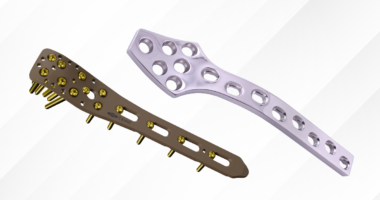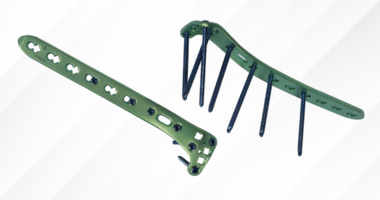

Metal implants stand out as one of the most effective and commonly utilized solutions in contemporary orthopedic surgery solutions. Ranging from hip replacements to bone fixation screws and dental fixtures, these implants have significantly changed lives. However, misunderstandings regarding their safety continue to exist. In this article, we delve into the science of biocompatibility of metal implants, identify what constitutes safe materials for surgical use, and examine how stringent manufacturing and quality standards (such as those upheld by GPC Medical Ltd.) ensure patient safety.
Understanding Biocompatibility: What It Really Means
Every material placed inside the human body must be evaluated for interaction with tissues and fluids. This core concept is known as the biocompatibility of metal implants.
Medical implants are designed to function without causing toxicity, inflammation, or rejection. Biocompatibility is not just a label – it refers to the material’s ability to perform its intended function without a harmful biological response. In metallic implants, this includes resisting corrosion, minimizing wear, and avoiding harmful ion release
Key points about Biocompatibility:
- A biocompatible implant should not trigger chronic inflammation or immune rejection in the body.
- It must resist corrosion and degradation in biological environments, which are rich in electrolytes and enzymes.
Safety Highlights:
- Tested according to international safety standards (ISO, ASTM) before clinical use.
- Requires not just bulk material safety but also surface stability to avoid local toxicity.
- Material choice and implant design go hand-in-hand for a successful outcome.
The biocompatibility of metal implants is, therefore, a critical benchmark in implant research and regulatory approval.
Myths About Metal Toxicity and Allergies
A common myth is that metal implants are toxic or cause widespread allergic reactions. In reality, safety profiles vary by material and individual sensitivity.
Metal-Induced Allergies: Rare but Real
Some individuals may exhibit sensitivity, mainly to nickel, which is present in small amounts in some alloys. These reactions, however, are uncommon and typically surface-related rather than deep systemic issues.
- Signs of hypersensitivity: Localized pain, skin rash, persistent inflammation.
- Clinical approach: Thorough assessment and allergy testing before considering removal.
Toxicity & Ion Release: Managed by Design
All implants are designed to minimize ion release – a primary concern for corrosion and toxicity. When corrosion is controlled and implant surfaces are stable, ions entering biological fluids remain below harmful thresholds.
- Corrosion is the key factor in ion release, not the metal itself.
- Protective oxide layers on titanium and passivation of stainless steel reduce corrosion.
- Engineering and surface treatments help avoid undesirable reactions.
The myth that all metal implants poison the body is unsubstantiated – modern materials and manufacturing controls make them far safer than criticized.
Advances in Surface Engineering and Coatings
The long-term success of a metal implant does not depend solely on the choice of metal alloy; it is equally influenced by advanced surface engineering. Modern implant science recognizes that surface characteristics determine how well an implant interacts with surrounding biological tissues. Through controlled surface treatments and coatings, manufacturers can significantly enhance corrosion resistance, biological acceptance, and implant longevity.
At GPC Medical Ltd., surface engineering is treated as a critical step in implant manufacturing rather than an afterthought. The company integrates precision-controlled surface modification techniques to ensure optimal biocompatibility of metal implants, focusing on reduced ion release, enhanced bone-implant contact, and long-term structural stability. Surface enhancements commonly include stable metal oxide layers such as titanium dioxide (TiO₂) and niobium pentoxide (Nb₂O₅), both of which are known to promote osteoblast adhesion and reduce electrochemical corrosion in physiological environments.
Key engineering highlights include:
- Surface modifications that improve osseointegration, enabling direct structural and functional bonding between bone tissue and implant surfaces.
- Advanced coatings that optimize cellular response, reducing the risk of fibrous tissue formation and foreign-body reactions.
- Precision-controlled techniques such as magnetron sputtering, ion implantation, and micro-/nano-structuring to enhance surface energy and biological affinity.
The Role of Quality Manufacturing in Implant Safety
GPC Medical Ltd. is recognised for producing metal implants that adhere to stringent quality practices and international standards. Their implants are manufactured with medical-grade materials, ensuring performance and safety.
- Use of certified biocompatible alloys with traceable material properties.
- Precision engineering to match anatomical and functional requirements.
- Continuous testing and validation at every stage – from raw material to final product.
This meticulous approach reflects best practices in manufacturing safe materials for surgical implants, thereby helping clinicians trust the performance of these implants.
Beyond Material Choice: Production Excellence
High-quality sourcing, controlled metallurgy, and surface finishing ensure that the biocompatibility of metal implants remains optimal when introduced into the body.
- ISO-certified manufacturing environments.
- Conformance with medical device regulations (FDA, ISO 10993 for biological evaluation).
- Documentation and traceability that support clinical confidence and minimize risk.
Conclusion
Metal implants are among the most transformative technologies in modern medicine. Evidence-based research shows that implants made from carefully selected and engineered metals exhibit high biocompatibility of metal implants and are considered safe materials for surgical implants when processed under strict standards. Myths about metal toxicity, systemic rejection, or widespread allergic reactions are largely debunked by clinical experience and research.