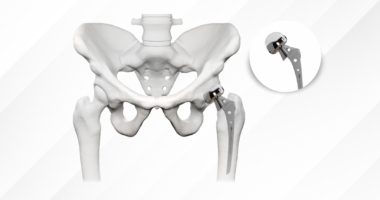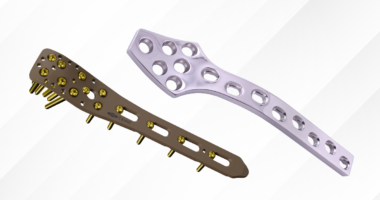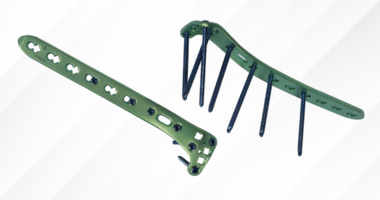

The global orthopedic implants market is experiencing sustained growth, driven by the increasing prevalence of musculoskeletal disorders, ageing populations, trauma cases, and advancements in medical technologies. Orthopedic implants – including joint replacements, spinal devices, trauma fixation systems, and patient-specific implants – are critical in restoring mobility, reducing pain, and improving patients’ quality of life. Market research forecasts robust growth over the next decade, as demand surges across both developed and emerging regions.
According to leading industry reports, the market size is growing at a compound annual growth rate (CAGR) of approximately 4–5%, with projections ranging based on the source and the forecast period. The global orthopedic implants market size was estimated at USD 26.05 billion in 2024 and is anticipated to reach USD 32.47 billion by 2030, growing at a CAGR of 3.78% from 2025 to 2030.
Key Market Growth Drivers
The orthopedic implants market is being propelled by several fundamental economic and demographic drivers that are shaping long-term demand and investment.
Aging Global Population & Musculoskeletal Disorders
One of the most significant growth forces is the demographic shift toward older age groups globally. As life expectancy increases, age-related conditions such as osteoarthritis, osteoporosis, and joint degeneration become more prevalent, necessitating surgical intervention and implant usage.
According to the World Health Organization (WHO), the number of people aged 60 and above is expected to double from 1 billion in 2020 to 2.1 billion by 2050 – a demographic wave that will significantly increase demand for orthopedic solutions.
Demographic & Health Drivers:
- Aging population increases joint reconstruction and fracture fixation procedures.
- Hip and knee replacements surge with osteoarthritis prevalence.
- Trauma care demand rises with lifestyle and mobility activities.
Rising Sports Injuries & Active Lifestyles
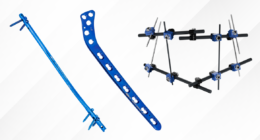
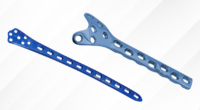
Active lifestyles among younger populations have contributed to a rise in sports-related injuries and trauma cases requiring surgical implants. Sports medicine continues to expand as technologically advanced fixation systems and minimally invasive techniques improve patient outcomes and recovery times.
Sports & Active Lifestyles Indicators:
- Growth in trauma care implant demand.
- Orthopedic surgeons increasingly use advanced plates, screws, and arthroscopy techniques.
Technological Advancements Reshaping the Market
Technological innovation is at the heart of orthopedic implant market growth, driving both clinical outcomes and market adoption. From advanced biomaterials to digital tools like AI and robotics, technologies are expanding the capabilities of implants and improving surgical precision.
AI, Robotics & Minimally Invasive Surgery
The integration of robotic-assisted surgery and AI-based planning tools is improving accuracy and patient outcomes, encouraging more procedures and implant adoption. Robotic systems are increasingly used for total joint arthroplasty and spine surgeries, enhancing alignment precision and reducing recovery times.
The rise of minimally invasive orthopedic procedures – supported by advanced device designs and surgical platforms – also drives market expansion since these techniques reduce patient hospitalization and improve overall recovery.
Technological Drivers:
- Robotic and navigation systems are growing in orthopedic surgery.
- AI and 3D modeling for personalized implants streamline pre-operative design.
- Smart implants with sensor capabilities are emerging as the next frontier in post-operative monitoring.
Advanced Materials & Customization
The shift toward biocompatible materials, such as titanium alloys, porous metals, and bioresorbable polymers, enhances implant longevity and patient outcomes. Simultaneously, 3D printing and additive manufacturing enable the production of patient-specific implants, which address unique anatomical requirements.
Materials & Customization Benefits:
- Personalized implants offer better fit and reduced complication rates.
- Bioabsorbable implants grow rapidly in emerging niche segments (CAGR ~15.03%).
- Advanced surface coatings improve osseointegration and durability.
Regional Market Dynamics
Geographic factors play a significant role in orthopedic implant market growth, as healthcare infrastructure, demographic trends, and access to care differ across regions.
North America Leads Market Adoption
North America consistently holds the largest share of the global orthopedic implants market thanks to advanced healthcare systems, high reimbursement coverage, and robust surgical facilities. This region’s dominance is underscored by a high rate of joint replacement procedures and early adoption of innovative technologies.
North America Market Highlights:
- Largest regional revenue share among orthopedic implant markets.
- Strong payer systems support extensive surgical adoption.
Asia Pacific Emerges as Fastest-Growing Region
Asia Pacific is witnessing rapid expansion due to rising healthcare investments, growing patient awareness, and increasing surgical capacities. Emerging economies such as China and India show significant growth potential, particularly in minimally invasive procedures and domestic implant manufacturing ecosystems.
Asia Pacific Growth Drivers:
- Expanding population and middle-class access to care.
- Higher procedure volumes for joint and trauma surgeries
Future Outlook & Emerging Trends
Looking forward, the orthopedic implants market is expected to sustain its growth trajectory through mid-decade and beyond. Continued innovation in materials, digital technologies, and surgical techniques will shape future opportunities.
Emerging Trends to Watch:
- Personalized and 3D printed implants gaining market share.
- Smart implants with monitoring systems improving long-term patient care.
- AI and machine learning driving pre-operative planning and outcome prediction.
- Growth in outpatient orthopedic procedures as healthcare delivery evolves.
Key Near-Term Forecasts:
- The market could approach or exceed USD 80–99 billion by the early-to-mid 2030s, depending on regional adoption and technological breakthroughs.
- Continued aging population dynamics will sustain procedure volumes.
Conclusion
The global orthopedic implants market is poised for long-term expansion driven by aging populations, rising orthopedic disorders, sports injuries, and rapid technological advancements. Growth is supported by innovations in robotics, AI, personalized implant design, and advanced materials that are reshaping surgical outcomes and adoption patterns across the world. With strong participation from regions like North America and Asia Pacific, the industry is expected to deliver significant value – achieving double-digit growth in high-potential segments and overall steady expansion in established categories.