The orthopedic trauma implant market operates at the intersection of surgical innovation, material science, and patient outcomes. As trauma patterns diversify across global markets and surgical techniques evolve to meet increasingly complex fracture presentations, the selection criteria for trauma fixation systems have expanded beyond traditional metrics of strength and biocompatibility. Manufacturers now navigate a landscape where regulatory harmonization, surgeon preference, cost-effectiveness, and emerging-market accessibility determine market penetration as significantly as clinical efficacy data.
Classification and Core Technologies in Trauma Fixation
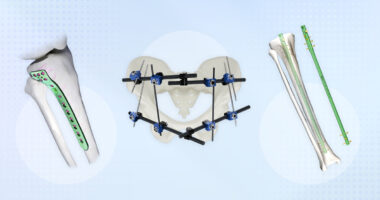
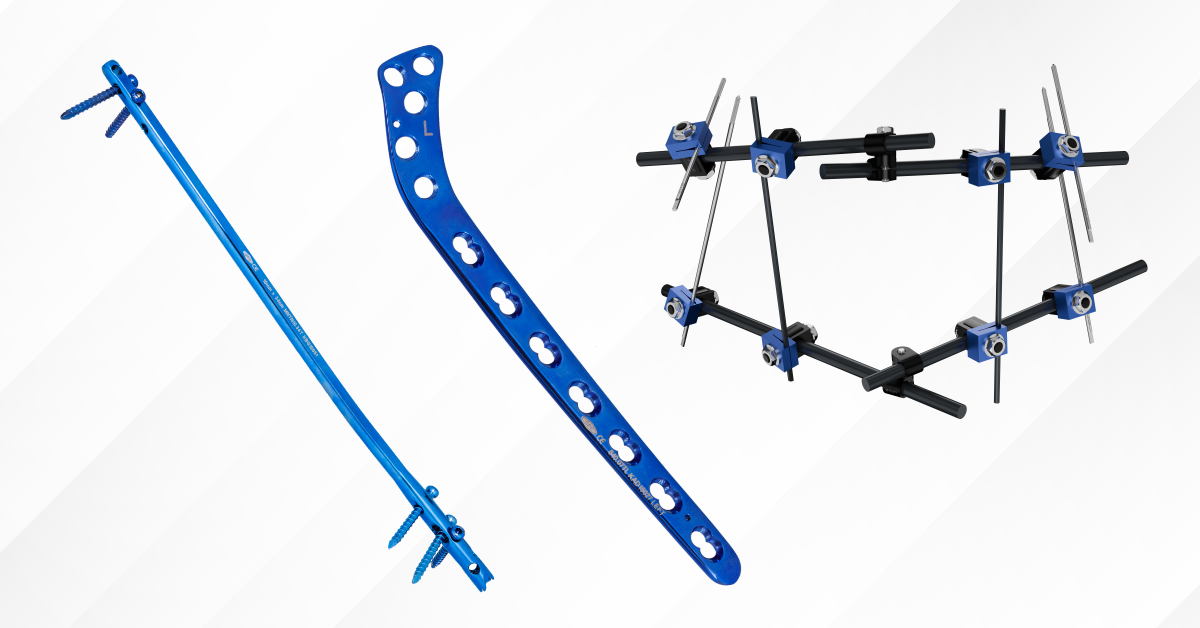
Modern trauma implants bifurcate into two primary categories: internal fixation systems that achieve stability through direct bone apposition and mechanical compression, and external fixation frameworks that provide stabilization while maintaining soft tissue viability. Within internal fixation, the evolution from conventional dynamic compression plates to locking plate technology represents the most significant biomechanical shift in trauma surgery over the past two decades.
Locking plates function through a fixed-angle relationship between screw and plate, creating what biomechanical engineers term an “internal fixator” – a construct that derives stability from the plate-screw interface rather than from friction between plate and bone. This design philosophy proves particularly advantageous in compromised bone quality scenarios, where conventional screws would toggle within cancellous bone, progressively losing purchase and allowing fracture site motion that impedes healing.
Key advantages of locking plate systems:
- Angular stability independent of bone quality: fixed-angle screws maintain position in osteoporotic or comminuted bone
- Reduced periosteal stripping: less plate-bone contact preserves blood supply in minimally invasive techniques
- Submuscular insertion capability: allows biological fixation that minimizes soft tissue disruption
- Polyaxial screw options: variable-angle locking accommodates anatomic variation
Locking Plates vs Conventional Plates: Clinical Indications and Market Demand
The transition from conventional compression plates to locking plate systems represents one of the most consequential shifts in trauma implant design. Conventional plates rely on friction between the plate and bone surface, making them effective in fractures with good bone stock and stable reduction. However, their dependence on bone quality limits their utility in osteoporotic or highly comminuted fractures.
Locking plates, by contrast, function as internal fixators. Screws lock into the plate, creating a fixed-angle construct that distributes load more evenly. This biomechanical advantage has driven widespread adoption, particularly in periarticular fractures and geriatric trauma. From a market perspective, locking plates command higher demand across both developed and emerging regions due to their versatility and reduced complication rates.
Intramedullary Nailing: The Gold Standard for Long Bone Trauma
For diaphyseal fractures of the femur, tibia, and humerus, intramedullary nailing has achieved near-consensus status as the preferred fixation method, combining mechanical advantages with biological preservation in ways that extramedullary plating cannot replicate.
The biomechanical superiority derives from load-sharing rather than load-bearing characteristics: nails positioned within the medullary canal experience forces along the anatomic axis of the bone, while plates positioned eccentrically create cantilever bending moments that concentrate stress at screw-bone interfaces.
Modern nail designs incorporate multiple locking options—proximal and distal interlocking screws that prevent rotational instability and length loss while maintaining the mechanical benefits of central canal positioning. The evolution toward smaller-diameter, cannulated nails inserted over guidewires has enabled reamed and unreamed techniques, each with distinct advantages.
Clinical applications where intramedullary nailing excels:
- Femoral shaft fractures: reamed, locked nailing achieves union rates exceeding 95% with early weight-bearing
- Tibial diaphyseal fractures: unreamed nailing preserves endosteal vascularity in bones with limited soft tissue coverage
- Pathological fractures: prophylactic nailing provides pain relief and prevents catastrophic fracture
- Polytrauma patients: minimally invasive insertion permits early fixation without exacerbating systemic inflammation
External Fixators vs Internal Fixation Systems: A Comparative Overview
External fixation systems retain a vital role in trauma management, particularly in open fractures, polytrauma cases, and damage control orthopedics. Unlike internal implants, external fixators stabilize fractures without violating compromised soft tissue envelopes. Their modular nature allows rapid application, adjustment, and staged conversion to internal fixation when conditions permit.
Internal fixation systems, while offering superior patient comfort and long-term stability, require optimal surgical environments and controlled infection risk. The choice between external and internal fixation is therefore contextual rather than absolute, influenced by injury severity, systemic patient status, and available infrastructure.
Comparative considerations include:
- Speed of application in emergency settings
- Soft tissue preservation
- Infection risk management
- Transition pathways from temporary to definitive fixation
Indications Favoring External Over Internal Fixation
- Open fractures with severe soft tissue injury: Frames avoid introducing foreign material into contaminated wounds.
- Pelvic ring disruptions: Rapid application achieves stability and reduces hemorrhage without prolonged anesthesia.
- Infected nonunions: It provides stability while allowing debridement and bone grafting without hardware removal.
- Pediatric growth plate injuries: It avoids physeal violation, preserving growth potential.
Global Standards, Market Access and GPC Medical Regulatory Frameworks
Navigating international orthopedic implant markets requires understanding that regulatory pathways, quality standards, and documentation requirements vary substantially across jurisdictions. The European Union’s Medical Device Regulation (MDR), which replaced the Medical Device Directive in 2021, imposes substantially more rigorous clinical evidence requirements than predecessor frameworks, compelling manufacturers to demonstrate not merely biocompatibility and mechanical performance but clinical outcomes data.
GPC Medical Ltd. has strategically positioned itself within this complex regulatory landscape by maintaining comprehensive certification across multiple international frameworks, ensuring product acceptance in over 150 countries while meeting the exacting standards that trauma surgeons and procurement committees’ demand.
Emerging markets present distinct regulatory landscapes where local registration requirements, import regulations, and government procurement processes determine commercial viability. GPC Medical Ltd.’s established presence across Asia, Africa, the Middle East, and Latin America derives from understanding regional preferences —the continued preference for stainless steel over titanium alloys in cost-sensitive markets, the adoption of locking technology in regions with aging populations, the demand for external fixation systems in areas with high rates of open fractures from traffic accidents.
GPC Medical Ltd.’s competitive advantages in global markets:
- Multi-jurisdictional certification portfolio: ISO 13485:2016, CE, MDSAP, WHO-GMP, FDA establishment registration, and country-specific approvals enable seamless market entry.
- Material selection balancing performance and accessibility: strategic use of medical-grade stainless steel and titanium alloys addresses diverse economic contexts without compromising clinical outcomes.
- Comprehensive instrumentation systems: complete surgical sets designed in consultation with practicing surgeons ensure proper implant insertion and reduce operative complications.
- Clinical education infrastructure: ongoing surgical technique training programs and technical support build surgeon confidence and loyalty across emerging markets.
- Supply chain resilience: vertically integrated manufacturing and strategic inventory management ensure consistent product availability even in challenging logistics environments.